

By Bill Thomas | September 18th
With around 5,000 new cases diagnosed in the U.S. each year, brain cancers are the most common solid tumors in children and the second most common form of childhood cancer overall behind leukemia. Due in part to the numerous challenges oncologists face when treating them, brain tumors are also the leading cause of cancer-related death in children today.
Pediatric brain cancers are difficult to treat effectively for a variety of reasons: the aggressive nature of many such tumors, the toxicity of traditional treatments and potential for lifelong negative side effects, the limited development of medicines formulated specifically for childhood cancer patients versus adult patients, etc. The need for newer, safer, and more effective treatment options for pediatric brain cancers is as urgent now as ever.
Fortunately, the childhood cancer community has recently seen several exciting breakthroughs that could help improve outcomes for children and young adults diagnosed with brain tumors. In the face of increased cuts to federal funding (including the withdrawal of NIH resources from the Pediatric Brain Tumor Consortium), these promising innovations underscore the importance of supporting pediatric cancer research.
Glioma Vaccine Improves Survival Rates in Long-Term Trials
Accounting for roughly half of all brain tumors affecting children and young adults, gliomas are among the most common types of pediatric brain cancers. High-grade gliomas like diffuse intrinsic pontine gliomas (DIPG) and glioblastomas are especially deadly, with five-year survival rates for childhood patients ranging from 5% at their lowest to a mere 20% at their highest.
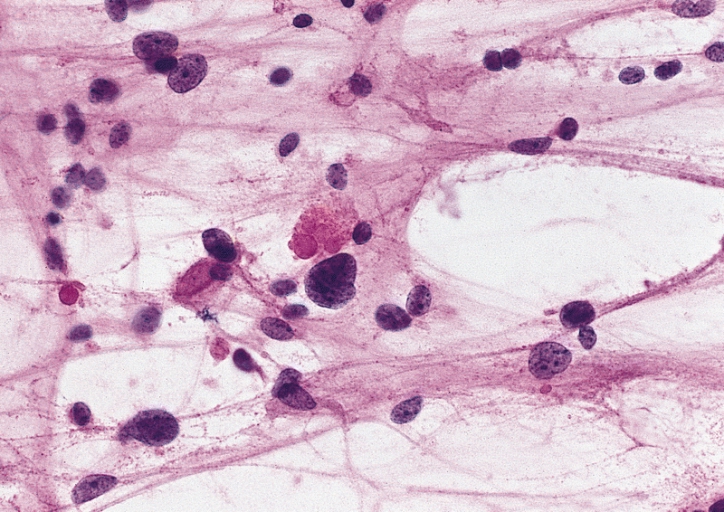
Dispiriting as those numbers may be, long-term clinical trial results published recently in the journal Nature Cancer suggest a brighter future for patients facing childhood gliomas. Conducted by researchers at the German Cancer Research Center, Mannheim University Medical Center, and Heidelberg University Hospital, as well as numerous partner institutions, the trial tested a new vaccine designed to train a patient’s immune system to recognize and target cells with a specific genetic mutation common to glioma cancer cells.
During the eight-year trial, 33 patients with newly diagnosed high-grade gliomas were treated with the vaccine in conjunction with standard therapy. At the end of the trial period, all participants were still alive, with 42% showing no disease progression.
The fact that this vaccine targets a mutation common across all gliomas and isn’t tailored to one specific patient means that it could be used as a standard immunotherapy for large groups of individuals. Additionally, vaccine boosters could continue bolstering immune system response years into treatment without negative side effects. Given the possibilities and the positive results they’ve observed thus far, it should come as no surprise that the researchers are already planning further studies.
MRI Imaging Confirms Effectiveness of Focused Ultrasound
While oncologists have seen success treating some pediatric cancers using pharmaceuticals, treatment options for brain cancers are typically limited to either surgery or radiation therapy. The reason for this is something called the blood-brain barrier, a network of cells that protects the brain from toxins but also effectively blocks 95% of medicines from reaching the brain.
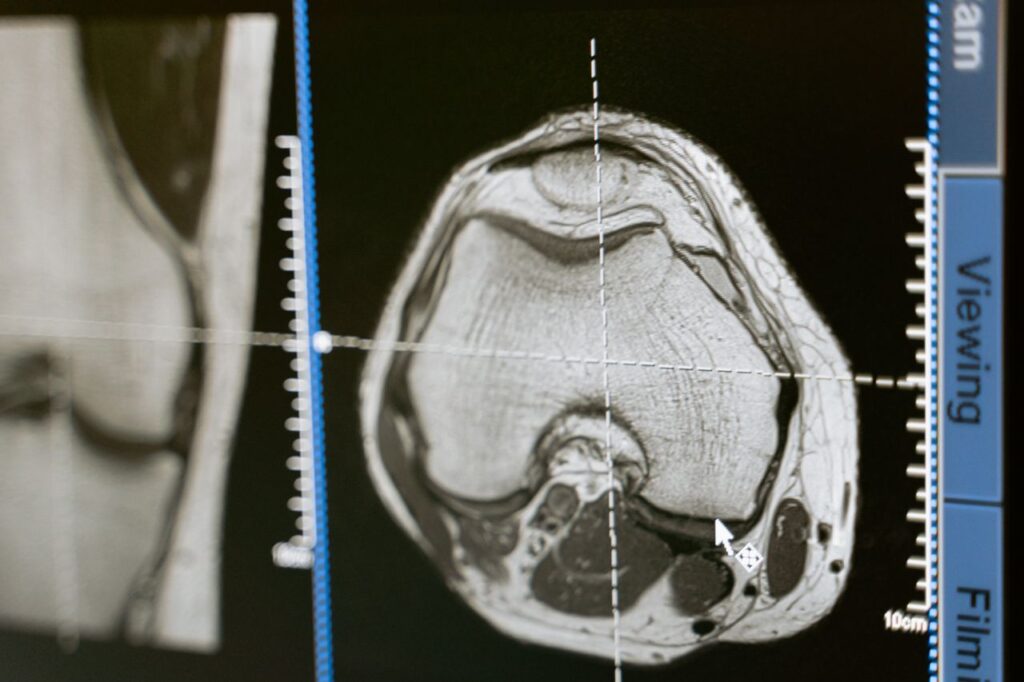
Over the years, researchers have explored a number of techniques for getting around this problem. One technique being studied at University of Virginia Health System (UVA Health) involves the use of focused ultrasound to open up the blood-brain barrier and facilitate drug delivery to gliomas.
To better evaluate the efficacy of this technique, the UVA Health team developed a new enhanced-resolution MRI approach to help them make precise drug-delivery measurements. The team’s findings, recently published in the journal Radiology, show that focused ultrasound is effective in facilitating drug delivery in mouse models and that gliomas are vulnerable to treatment using this technique. Additionally, the new MRI approach allowed UVA Health researchers to identify the precise size of molecule needed to deliver the drug most effectively.
Research into focused ultrasound as a means of circumventing the blood-brain barrier is still ongoing, but these early findings are promising. What’s more, the MRI approach developed by UVA Health’s team demonstrates how advanced imaging technology can improve the precision and performance of emerging therapies for gliomas and other pediatric brain tumors.
4 Patients Achieve Long-Term Survival in T Cell Therapy Trial
From the extreme difficulty of passing medicines through the blood-brain barrier to the ever-present risk of damaging healthy brain cells when delivering radiation to cancerous tissues, traditional forms of therapy face numerous obstacles when treating childhood brain tumors. That’s why today’s pediatric cancer researchers are increasingly exploring novel treatment methods such as T cell therapy.
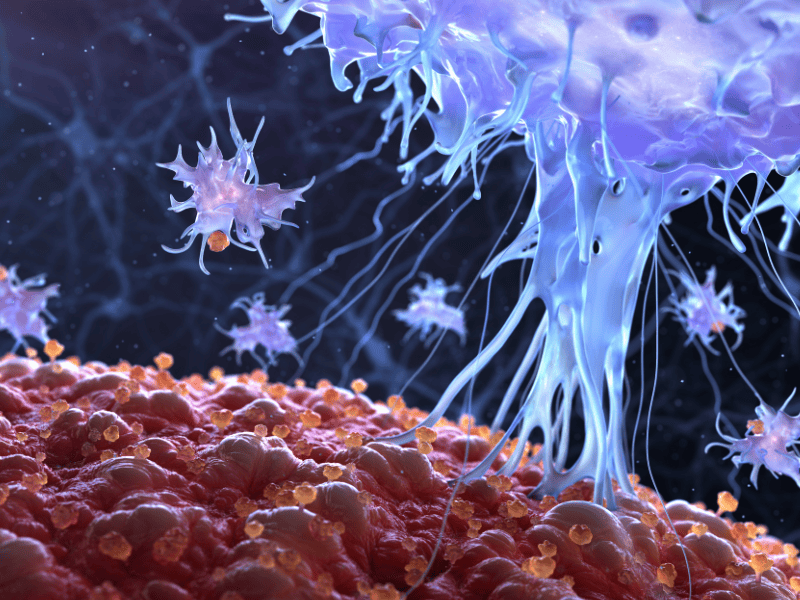
T cell therapy is a form of immunotherapy that involves collecting samples of a patient’s white blood cells, re-engineering them with synthetic receptors that help them better identify and attack cancer cells, then infusing the improved white blood cells back into the patient’s body. Thus far, T cell therapy has proven to be an effective and significantly less toxic treatment option for patients diagnosed with cancers that are otherwise resistant to treatment.
Among the treatment-resistant cancers T cell therapy has shown to be effective against are multiple types of brain cancers, including DIPG, according to researchers at Children’s National Hospital in Washington, D.C., who recently published early results of a first-of-its-kind clinical trial in the journal Nature Medicine. During the Phase 1 trial, 33 children and young adults with either newly diagnosed DIPG or other treatment-resistant brain tumors were treated with an experimental technique called tumor-associated antigen (TTA) T cell therapy, which targets three proteins commonly found in pediatric brain tumors: WT1, PRAME, and Survivin.
Four patients achieved long-term survival, exceeding previous prognoses, with three showing no remaining evidence of cancer years after treatment. Additional research and refinement is ongoing, but these results are encouraging, with strong indications of TTA T cell therapy efficacy. Having successfully identified a maximum tolerated dose for this treatment, the Children’s National Hospital researchers are now working toward advancing their research to a Phase 2 trial.
Pediatric Cancer Research Foundation is committed to supporting innovative work that advances cancer care and facilitates potential cures. If you believe in our vision of a world where all children facing childhood cancers can overcome their disease and achieve their full potential so they can enjoy happy, healthy, productive futures, please consider donating to our Powering Research Fund.
To stay up-to-date with all the latest news shaping the future of pediatric cancer treatment, don’t forget to follow Pediatric Cancer Research Foundation’s Profectus Blog!