

By Bill Thomas | May 28th
It’s not unusual for anyone to feel anxious or afraid when undergoing a medical test of any kind. For a child or young adult, however, those feelings are often amplified, especially when cancer is on the table.
Imagine being old enough to understand what cancer is but young enough that you’ve never had a CT scan before, or an MRI, or a PET scan, or an ultrasound. Imagine knowing that the results of such a test could be what confirms a potential cancer diagnosis. Imagine feeling like the future of your health or even your entire life rests on what those test results look like.
Alternatively, imagine being a pediatric cancer survivor, someone whose illness, after years of arduous and potentially dangerous treatments, has finally gone into remission. Imagine the fear of knowing that the next time you go to the hospital for a routine medical test, there’s always a chance you’ll find out that the cancer has come back.
Hundreds of thousands of children and young adults all over the world don’t have to imagine scenarios like these. They’ve already lived them or are currently living them.
With May being Mental Health Awareness Month, we here at Pediatric Cancer Research Foundation thought it would be a good time to shed light on one of the many mental health challenges facing childhood cancer patients. It’s called “scanxiety,” it is extremely common, and it can affect not only patients and survivors but also their families and friends.
Here’s what you should know…

What is Scanxiety in Pediatric Cancer Patients?
“Scanxiety” is short for “scan anxiety.” It describes a state of worry or distress that many patients experience before, during, and even after medical testing. Virtually everyone experiences some degree of scanxiety; it’s normal to be concerned about the results of an imaging scan, biopsy, or bloodwork. In children, however, scanxiety is often more pronounced due to a number of factors.
First, the younger the child, the more likely they are to have difficulty managing their emotions or understanding complex medical concepts. Children are also often more afraid of unfamiliar situations and, let’s face it, a lot of medical tests can be scary. A fear of needles can make even the relatively minor discomfort of drawing blood for a liquid biopsy feel overwhelming. Getting an MRI scan requires lying the patient down in a narrow, enclosed space for an extended period of time, during which said patient has to remain still while listening to the sometimes jarring noises made by the scanner.
That said, the biggest cause of scanxiety for most patients is simply the waiting. The span of time between when a test is ordered and when the results are given can feel like an eternity. That dread and anticipation, as well as the knowledge that those test results could dramatically change one’s life, can create feelings of claustrophobia even more intense than those experienced when inside an MRI machine.
With repeat exposure, scanxiety can lessen over time. Pediatric cancer patients undergo regular testing so that doctors can evaluate treatment efficacy and monitor disease progression. The result is that some patients get used to the process. That’s not true of all patients, however. For others, the frequent testing can actually make scanxiety worse, leaving them in a state of near-constant stress.
Finally, it’s worth noting that scanxiety isn’t something that only affects childhood cancer patients. Their friends and family members often struggle with feelings of scanxiety as well. That’s why it’s sometimes said that cancer isn’t an illness that one individual gets diagnosed with, but rather a disease that everyone who knows and loves that person shares in.
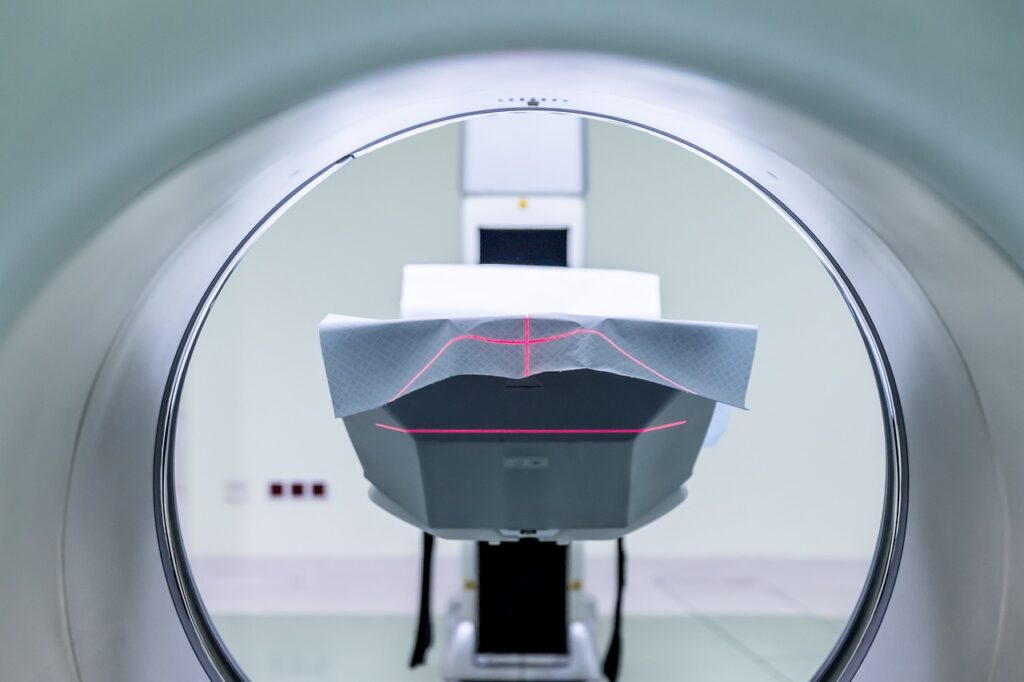
The Effects of Scanxiety on Children with Cancers
Like any sustained emotional state, scanxiety can have a far-reaching impact on a patient’s life, influencing how they think and feel about themselves, how they interact with others, and even their physical well-being.
No two children respond to stress the exact same way. Emotionally, scanxiety may cause feelings of fear, nervousness, sadness, or frustration. In the days leading up to an appointment, some patients become clingy, requiring more attention or exhibiting a higher degree of sensitivity. Others become withdrawn or irritable. Some children avoid discussing their illness or medical matters altogether, while others repeatedly seek reassurance from their parents and doctors. Younger children may regress developmentally by becoming more dependent, fearful of separation, or avoidant of medical environments.
Scanxiety can also manifest physically. Children struggling with scanxiety may experience headaches, stomach pain, nausea, fatigue, accelerated heartbeat, muscle tension, or difficulty sleeping. Such symptoms can intensify when waiting for test results, leading to changes in appetite and disruptions in daily routines, including school attendance and classroom performance. In some cases, prolonged scanxiety can even contribute to medical trauma or symptoms similar to post-traumatic stress disorder.
Even when a patient’s cancer has gone into remission, the mental health impacts of scanxiety can linger for years. Survivors of childhood cancers may continue associating hospitals and medical professionals with negative feelings even into adulthood, leading some to avoid post-remission follow-up care, screenings for other diseases, or even basic check-up appointments entirely.
As noted above, scanxiety often extends beyond those diagnosed with cancers, impacting friends and family as well. Parents and caregivers may experience chronic stress, depression, or emotional burnout. Siblings may feel anxious or overlooked during the lead-up to an appointment, creating additional tension within the household. For these and other reasons, it’s important for friends and family members to try to stay mindful about how scanxiety affects not only cancer patients, but all those who love and care for them as well.

How to Manage Scanxiety in Childhood Cancer Patients
Although scanxiety is rarely something that can ever be fully overcome, there are many strategies that can help children and young adults cope more effectively with the stress of scans and other medical tests. Here are a few helpful suggestions…
- Remember: it’s okay to be scared. First and foremost, anyone dealing with scanxiety, whether they’re a patient, a friend, or a family member, should know that scanxiety is normal. It is rational. It is justified. Those affected by scanxiety should never be made to feel like their concerns are not valid, because they are. Nothing should be more important than a person’s health and safety; being worried about these things is therefore perfectly natural.
- Ask questions & stay informed. Often what makes a situation scary or stressful is how unfamiliar it is. A good way to alleviate some of the stress associated with undergoing medical tests is to familiarize yourself with them. Don’t be afraid to talk to your healthcare team. Ask how the test works. Ask how long it takes. Ask how painful or uncomfortable it might be. Ask what potential dangers or side effects there are. Ask about how best to prepare your child, what you should expect, whether sedation is involved, etc. Last but not least, ask how long it will take to get the results.
- Make sure your child is prepared. Hand in hand with familiarizing yourself with medical tests is finding ways to familiarize your child with them. To some degree, this will depend on how old your child is; consider how best to prepare them in an age-appropriate way. Explaining what will happen during the test using simple language can reduce their fear of the unknown. For younger children, using toys, visual aids, storytelling, or roleplay scenarios can help them better understand medical procedures and ultimately feel more comfortable.
- Maintain consistent routines. Receiving a cancer diagnosis can leave a patient feeling unmoored. It’s important to help them stay grounded by keeping consistent schedules for meals, school, sleep, and family activities. This can provide a sense of normalcy during stressful periods. Children and young adults often feel safer when daily life remains predictable despite medical challenges.
- Facilitate relaxation & distraction. Deep breathing exercises, mindfulness, guided imagery, calming music, and progressive muscle relaxation are all techniques you may find helpful in regulating your child’s stress before and during medical tests. Distractions such as movies, games, books, or other cherished comfort items can also make procedures less intimidating.
- Open communication is key. Families should encourage honest conversations where children can express their concerns freely. Do your best to give your child a safe forum to share their hopes, fears, opinions, and emotions, even the negative ones. Only then will you be able to move forward to address those issues. Families may also benefit from counseling or peer support groups where they can connect with others who understand what they’re going through.
- Don’t skimp on self-care. When a child or young adult is diagnosed with cancer, it’s not uncommon for loved ones to prioritize the patient’s needs over their own. However, you can’t effectively care for someone if you don’t also care for yourself. Find a balance. Parents and caregivers experiencing chronic stress may benefit from therapy, support networks, rest, and practical assistance from friends or relatives. When families receive emotional support together, children often feel safer, calmer, and better equipped to cope with the ongoing challenges of pediatric cancer treatment.
Here at Pediatric Cancer Research Foundation, we believe that truly comprehensive cancer care must address both physical and mental health. Our guiding vision is of a world where all children facing childhood cancers have the resources they need to overcome their disease and achieve their full potential so they can enjoy happy, healthy, productive futures. That means treating patients’ bodies and minds. If you would like to help us do that, please consider donating to our Survivorship & Mental Health Fund.
To stay up-to-date with all the latest news shaping the future of pediatric cancer treatment, don’t forget to follow Pediatric Cancer Research Foundation’s Profectus Blog!