
By Bill Thomas | March 6th
Since 1982, Pediatric Cancer Research Foundation has had one primary, overarching vision: to make it possible for all children facing cancers to overcome their disease and reach their full potential so that they can enjoy happy, healthy, and productive futures.
To achieve this vision, PCRF is committed to powering life-saving research by providing financial support to a diverse array of cutting-edge research projects that have the potential to help increase survival rates, reduce treatment toxicity, improve patient quality of life, support underserved populations, and ultimately bring us one step closer to curing childhood cancers.
Each year, PCRF provides critical grant funding to a hand-picked selection of researchers whose promising work we feel is poised to transform the pediatric cancer landscape. Today, we are excited to announce 2026’s Pediatric Cancer Research Foundation Grant Recipients!
2026 Legacy Research Grant Recipients
Legacy Research Grants are awarded to long-standing PCRF-funded researchers whose work we have supported for at least five years and who have demonstrated consistent progress and outcomes in pediatric cancer research. Legacy Research Grants aim to support and sustain ongoing initiatives, ensuring that momentum is maintained on critical projects with potential for cures.
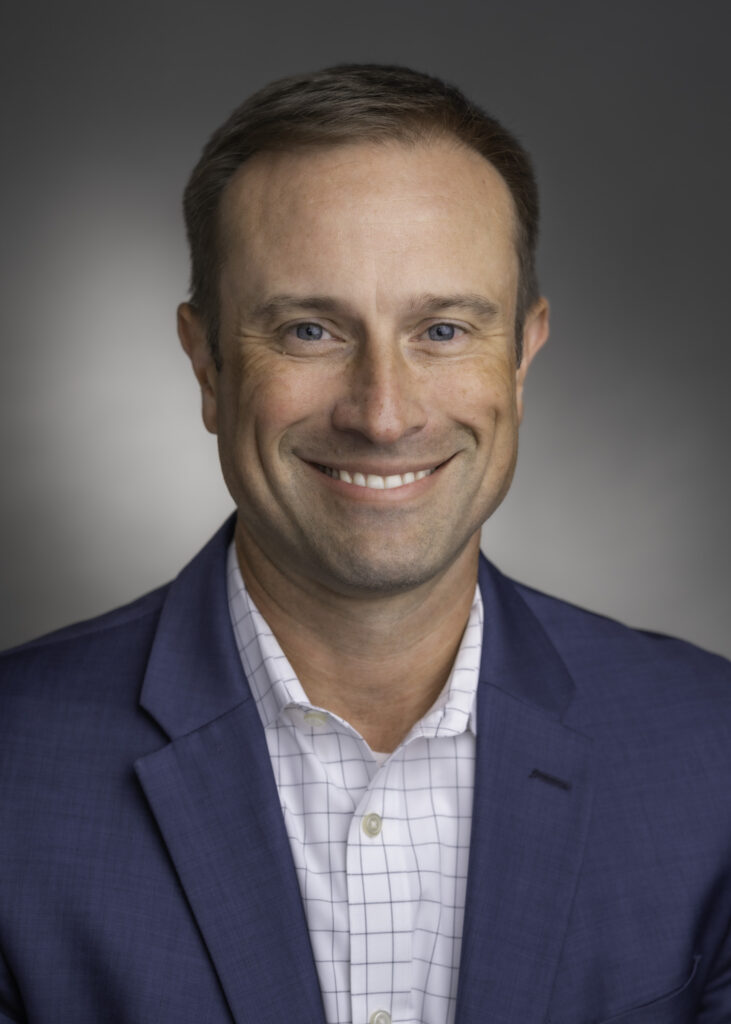
Brian Crompton, MD – Dana-Farber Cancer Institute
Advancing Liquid Biopsies to the Clinic for Patients with Ewing Sarcoma
Treatment for aggressive pediatric sarcomas has remained largely unchanged for the past 15 years, with outcomes plateauing around 70%. A major challenge is the lack of reliable biological markers to identify which patients are likely to be cured and which are at risk of relapse. Dr. Crompton aims to validate a new clinical assay that detects circulating tumor DNA (ctDNA) from a simple blood draw as a surrogate for tumor burden in Ewing Sarcoma. Early identification of poor responders could enable timely, patient-specific treatment modifications, similar to approaches used successfully in pediatric leukemia. The study will also examine tumor heterogeneity and validate ctDNA as a clinical return-of-results tool.
Elliot Stieglitz, MD, PhD – University of California, San Francisco
Direct Targeting of the Ras Pathway in Juvenile Myelomonocytic Leukemia Using RMC-7977
Juvenile myelomonocytic leukemia (JMML) is a rare and aggressive blood cancer in young children, currently treated primarily with bone marrow transplantation, which cures only about half of patients. JMML is driven by mutations in Ras pathway genes. Dr. Stieglitz will test a promising new Ras inhibitor, RMC-7977, in mouse models of JMML, alone and in combination with other targeted therapies. Successful results could rapidly advance this approach into clinical trials and reduce reliance on toxic transplants.
2026 Emerging Investigator Fellowship Grant Recipients
Emerging Investigator Fellowship Grants are designed to support post-doctoral fellowships and clinical investigator training for emerging pediatric cancer researchers to pursue exciting research ideas. Emerging Investigator Fellow Grants encourage and cultivate the best and brightest researchers of the future.
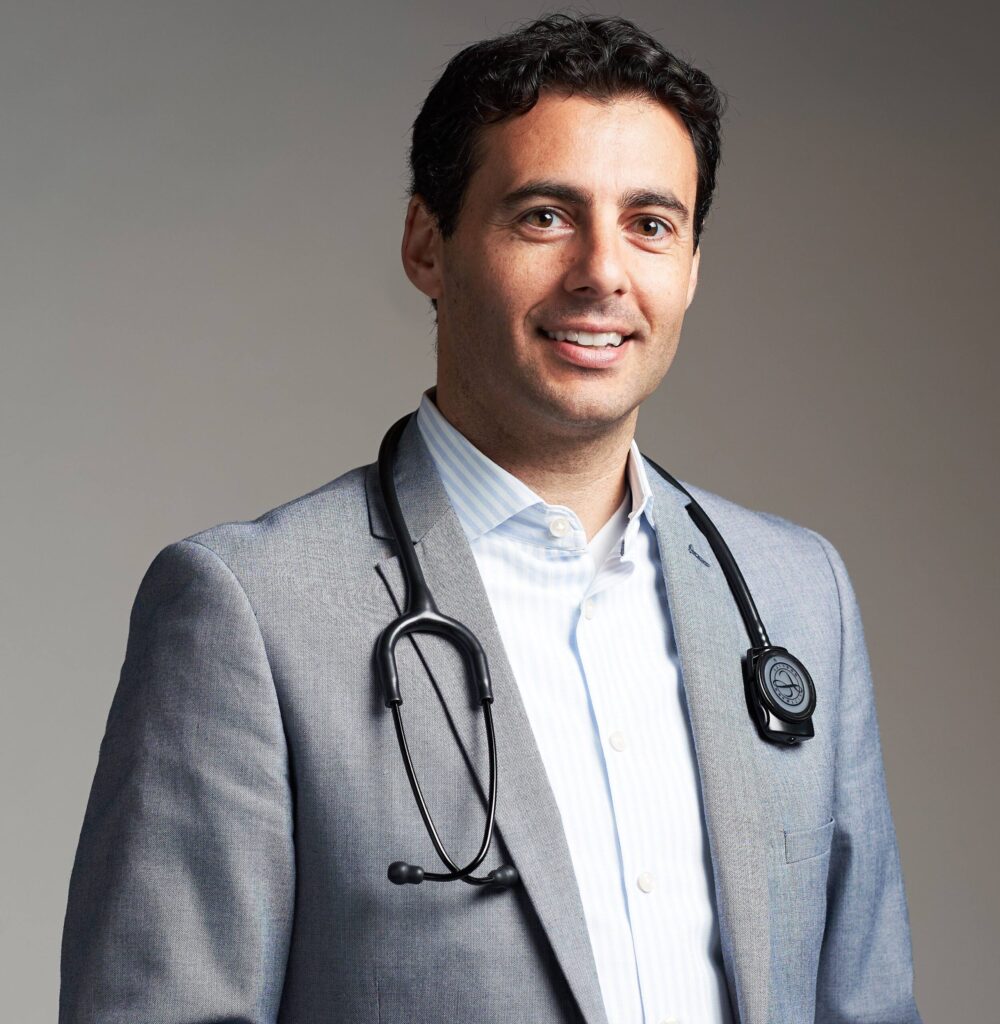
Lev Gorfinkel, MD, PhD – Dana-Farber Cancer Institute
Next-Generation Hematopoietic Stem Cell Transplant Conditioning Through Antibody-Drug Conjugates
Stem cell transplantation can cure lethal blood cancers but requires toxic chemotherapy or radiation that causes severe long-term side effects, especially in children. Dr. Gorfinkel will test a targeted antibody-drug conjugate (CD45-ADC) designed to selectively eliminate blood-forming cells while sparing healthy tissues. Using a non-human primate model, the study will assess engraftment success, immune recovery, and reduced toxicity, with the potential for rapid clinical translation.
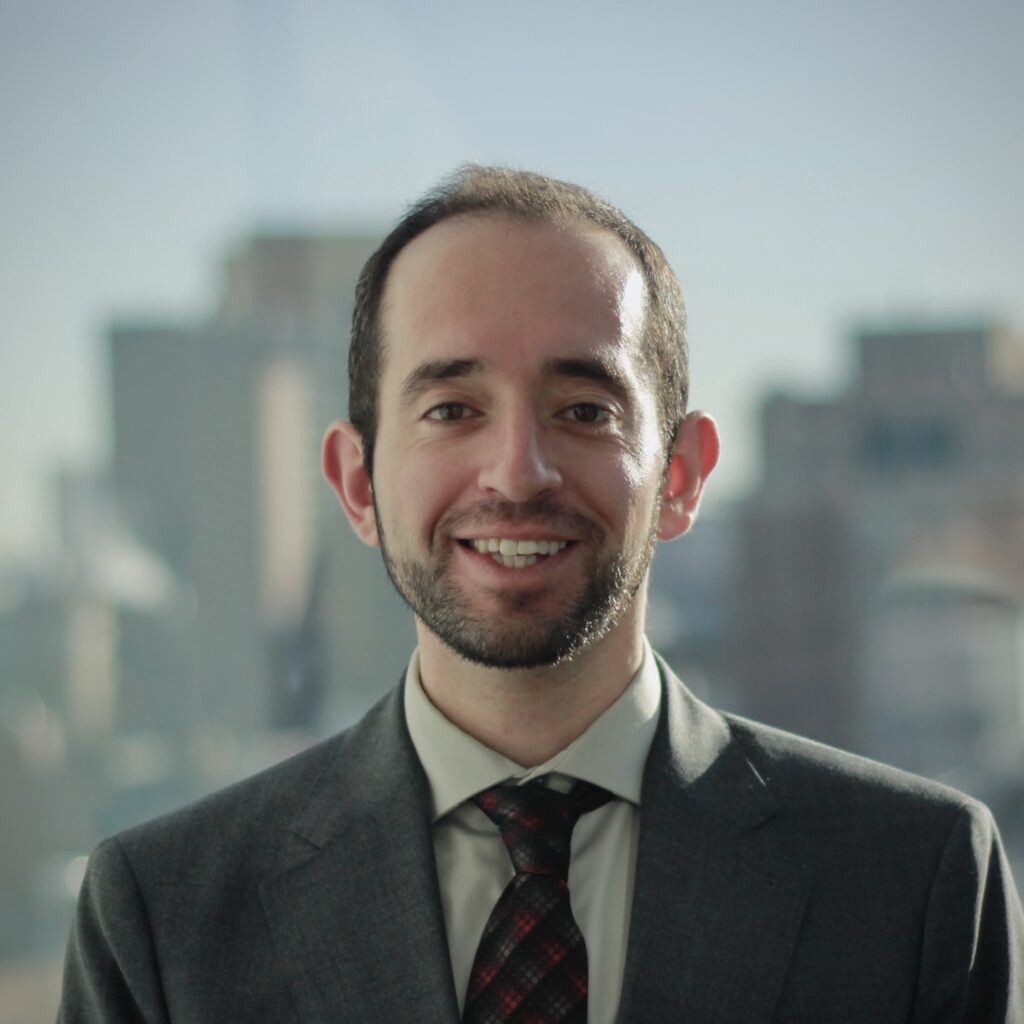
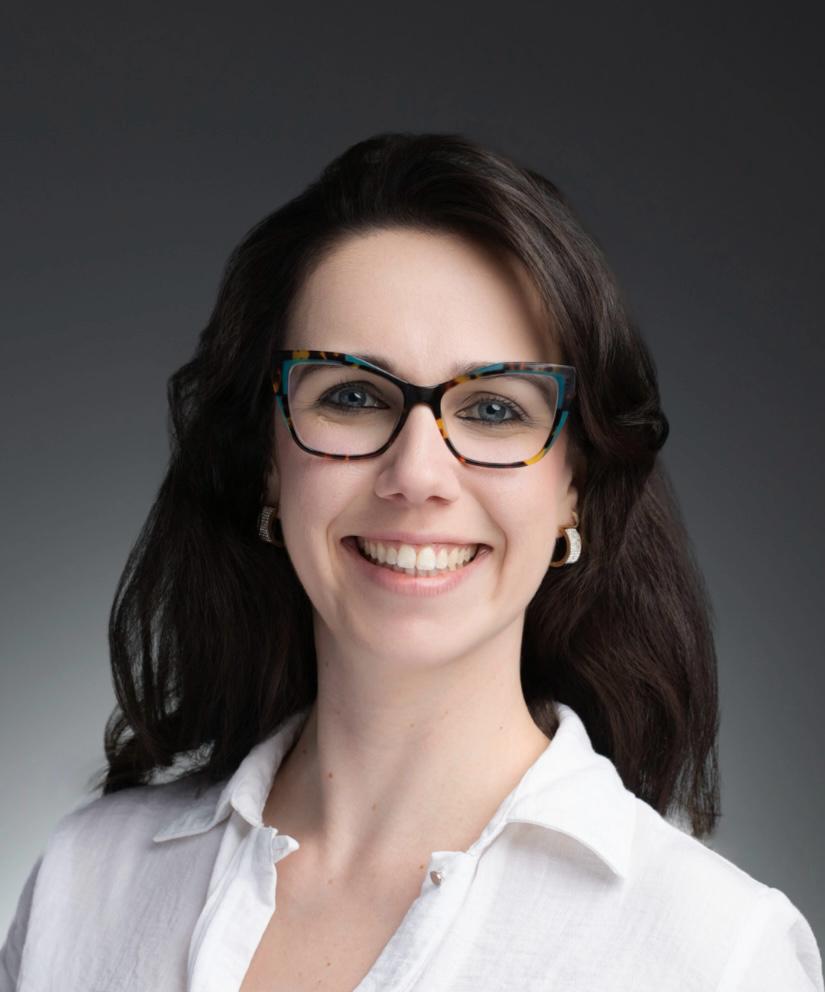
Rubia Isler Mancuso, PhD – Yale University
Genetic Dependencies Driving Leukemogenesis in an RBM15-MKL1 Mouse Model
Dr. Mancuso is studying acute megakaryoblastic leukemia (AMKL), a pediatric leukemia driven by the RBM15-MKL1 fusion protein. Using a novel inducible mouse model, Dr. Mancuso will examine how leukemia begins—potentially before birth—and identify additional genetic changes that cooperate with RBM15-MKL1 to drive disease. These insights may uncover new therapeutic targets.
2026 Translational Research Grant Recipients
Translational Research Grants are awarded to single or multi-institutional programs that involve open clinical trials or consortia and implement new approaches to therapy. Translational Research Grants support “bench to bedside” research projects whose endpoint is often the planning or initiation of a clinical trial.
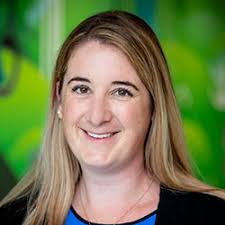
Rebecca Ronsley, MD – Seattle Children’s Hospital
Biomarkers of Response to Delta-24-RGD Therapy in Pediatric Diffuse Midline Glioma
Diffuse midline glioma (DMG) is a devastating pediatric brain tumor with extremely poor prognosis. Dr. Ronsley will evaluate biomarkers of response to Delta-24-RGD, an oncolytic virus delivered directly into tumors. By analyzing cerebrospinal fluid, blood, and tumor tissue, the project aims to develop tools for monitoring response and guiding personalized therapy in collaboration with leading pediatric oncology consortia.
Anupriya Agarwal, MD – Oregon Health & Science University
Intervention and Prevention Strategies in RUNX1-Mutated Leukemia Evolution
RUNX1 mutations are associated with poor outcomes in acute myeloid leukemia and familial platelet disorder, with a high risk of progression to leukemia. Despite affecting thousands of individuals, no preventive strategies exist. Dr. Agarwal seeks to identify interventions to halt leukemic evolution in RUNX1-mutated disease, addressing a major unmet clinical need.

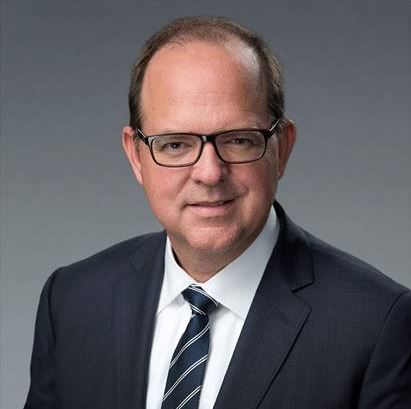
Carl Allen, MD, PhD – Baylor College of Medicine
Curing Pediatric Langerhans Cell Histiocytosis Through Combined Chemotherapy and MAPK Inhibition
Langerhans cell histiocytosis (LCH) affects multiple organs and is driven by mutations in the MAPK pathway. Current chemotherapy fails to cure over half of patients and often causes long-term harm. Leveraging new biological insights and the North American Consortium for Histiocytosis (NACHO), Dr. Allen will test a novel combination of MAPK inhibition and chemotherapy with the goal of curing patients.
Zachary Morris, MD, PhD – University of Wisconsin–Madison
Theranostic Radiopharmaceuticals Alone or Combined with CAR T Cells for Pediatric Medulloblastoma
Medulloblastoma is a leading cause of cancer-related death in children, and current radiation treatments cause severe long-term toxicities. Dr. Morris will test a targeted radiopharmaceutical, NM600, delivered intrathecally to precisely treat tumors while sparing healthy brain tissue. Combining NM600 with CAR T cells may further enhance efficacy and enable curative treatments with reduced toxicity.
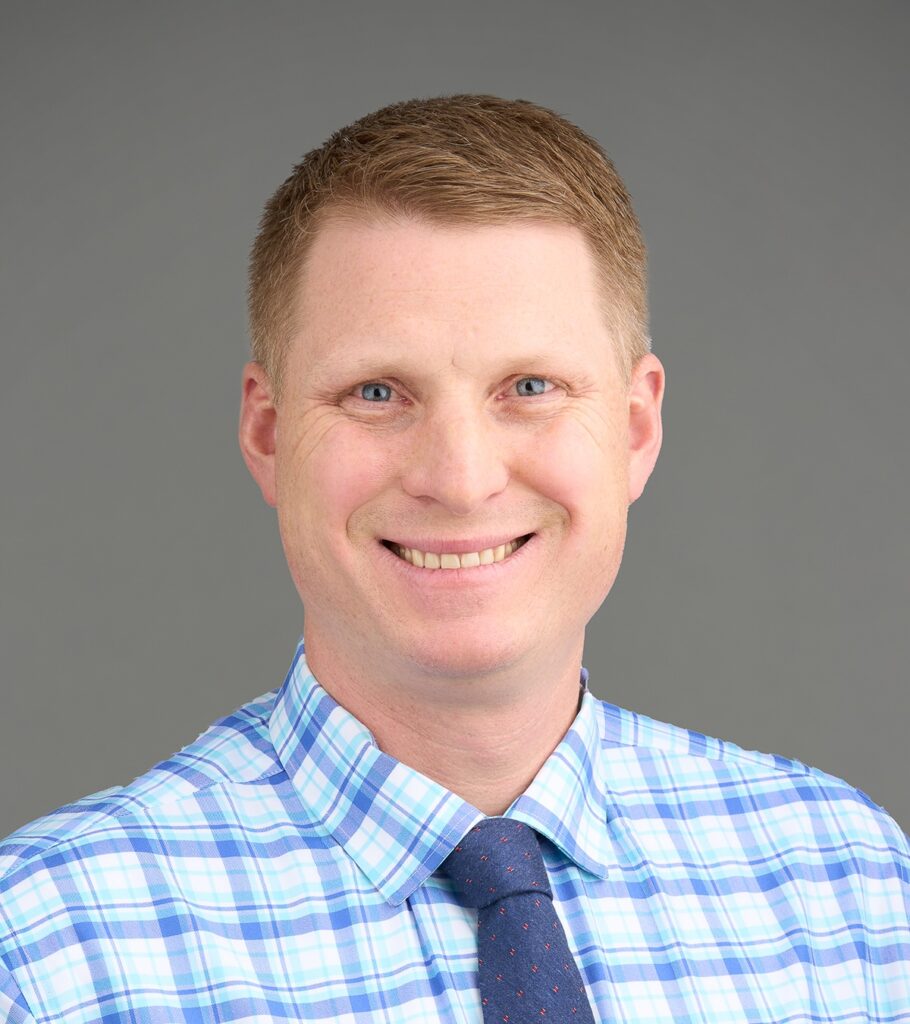
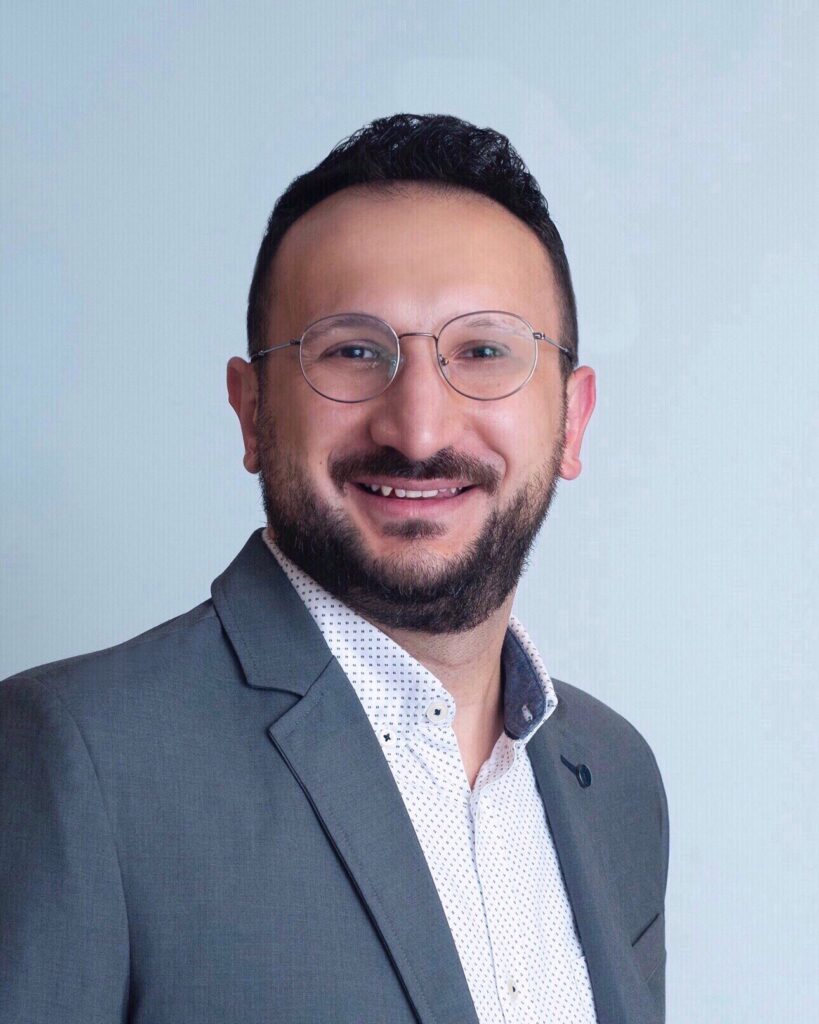
Ibrahim Chamseddine, MD – Massachusetts General Hospital
Predictive Risk Score for Hearing Loss in Pediatric Brain Cancer Radiotherapy
Permanent hearing loss affects up to 60% of children treated with brain radiotherapy. Dr. Chamseddine will develop a predictive risk model using data from proton therapy clinical trials to identify children at highest risk before treatment begins. The tool aims to guide personalized treatment planning and early intervention to improve survivors’ quality of life.
Join Us in Making 2026 PCRF’s Most Productive Year Yet!
Our 2026 grant recipients represent the very best and brightest researchers currently working to improve outcomes for childhood cancer patients and their families. In the coming months, you’ll have the chance to learn more about each and every one of them via exclusive interviews, articles, and profiles right here on the Profectus Blog!
It’s important to remember, however, that we here at Pediatric Cancer Research Foundation would not be able to continue supporting such promising and potentially groundbreaking research without your donations. Less than 4% of all federal cancer research funding goes towards pediatric cancer research, and even that number is shrinking. Most pediatric cancer research breakthroughs would simply not be possible without the contributions of private donors and nonprofit organizations like PCRF.
If you would like to help us build a better, brighter future for both pediatric cancer patients and survivors, please consider becoming a donor. The work our researchers do today is paving the way for the cures of tomorrow.