

By Bill Thomas | February 3
From the seemingly endless number of cuts being made to federal funding, to the ever-present danger of long-term negative side effects from toxic therapies, there’s no shortage of challenges that pediatric cancer researchers have to face.
Although childhood cancer is a leading cause of death by disease for children worldwide, one of the most persistent challenges to studying these diseases is the relative rarity of many pediatric cancers. The smaller and often geographically separated patient populations of many pediatric cancers in comparison to adult cancers makes it difficult for individual research teams to compile large enough pools of statistically significant data from enough patients that can lead to better treatments.
Where there is a will, however, there is a way: increasingly, pediatric cancer researchers all across the globe have sought to leverage collaboration and data-sharing as a means of overcoming this obstacle. Most recently, the efforts of scientists at the Hudson Institute of Medical Research in Australia paid off in a big way, leading to the creation of a first-of-its-kind catalog of pediatric cancers that promises to be a major boon for immunotherapy research.
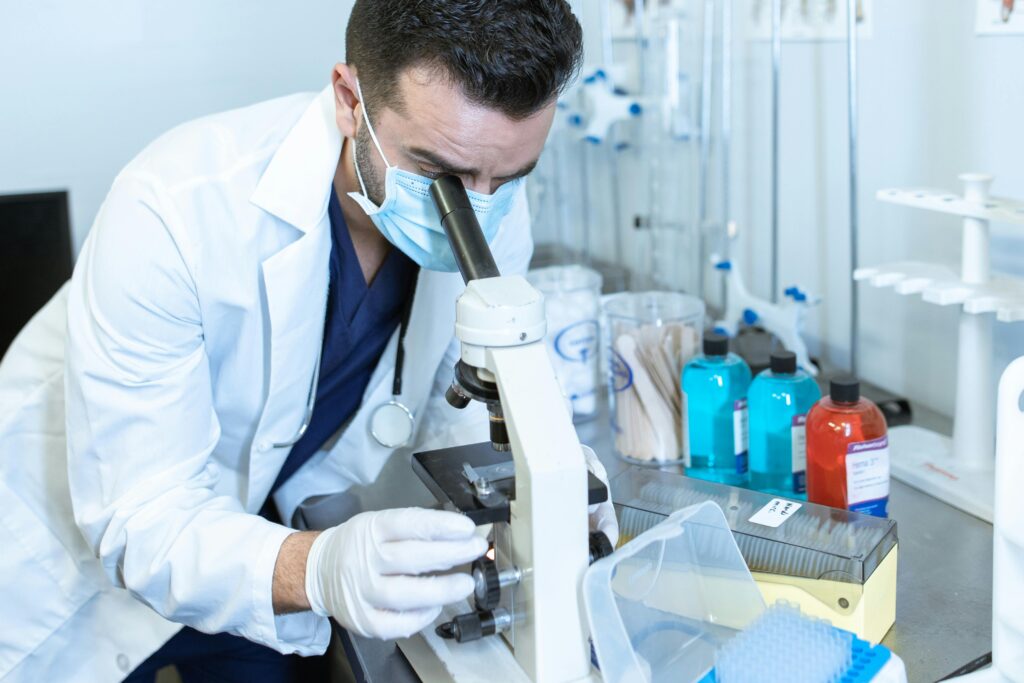
Since 2023, the Hudson Institute has been home to the Childhood Cancer Model Atlas (CCMA), the largest open-source repository of pediatric cancer tissue samples in the world, providing pediatric cancer researchers everywhere with an invaluable data resource. Continuing their work, Hudson Institute scientists used cutting-edge AI to test and analyze more than 200 high-risk pediatric cancer cell lines from the CCMA’s collection.
Their analysis, recently published in the journal iScience, has identified the HLA (human leukocyte antigens) in 200 distinct pediatric cancer cell lines.
“The HLA are proteins on the surface of cells that the immune system uses to distinguish between ‘self’ and ‘non-self.’ Using this information, we predicted which neoantigens each cancer model might produce and present,” the study’s senior author Claire Sun explained in a news release from the Hudson Institute.
“Neoantigens are small, abnormal protein pieces formed when cancer cells mutate, and different HLA types can present different neoantigens to the immune system. Knowing the HLA type helps us determine which neoantigens can actually be recognised.”
Hudson Institute scientists believe that compiling these data and making them publicly available will go a long way towards helping other researchers identify childhood cancers with actionable antigens that would make them ideal candidates for immunotherapy.
In recent years, immunotherapy has emerged as a key trend in pediatric cancer research thanks in large part to a higher survival rate among relapsed and high-risk cancer patients as well as a greatly improved quality of life when compared to other, more toxic therapies. The new data coming out of the Hudson Institute of Medical Research could serve as a crucial steppingstone for researchers hoping to harness the full power of immunotherapy for improved childhood cancer treatment.
To stay up-to-date with all the latest news shaping the future of pediatric cancer treatment, don’t forget to follow Pediatric Cancer Research Foundation’s Profectus Blog!